Why Choose West Covina Drywall Contractor for Texture Matching in West Covina, CA
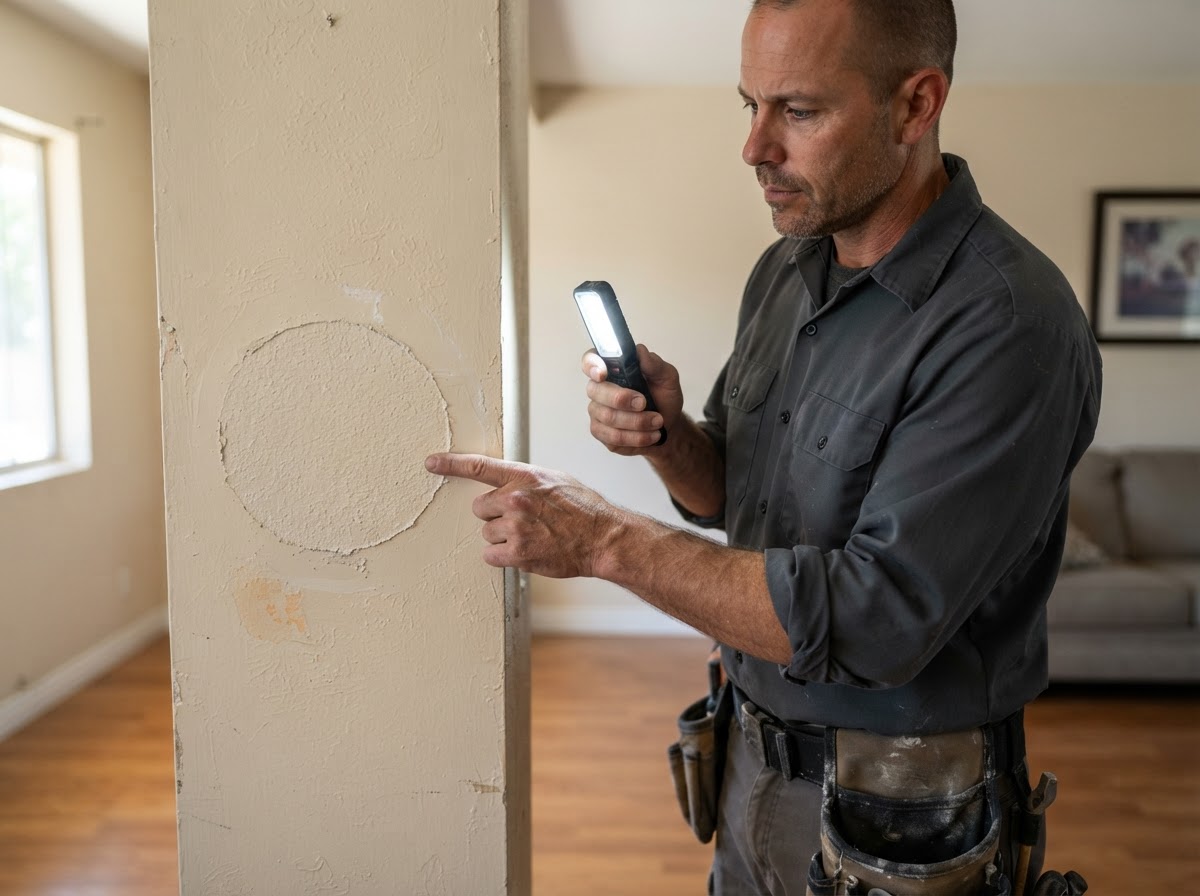
Texture matching is approached repair-first: the underlying patch is finished and stable before texture is recreated. The existing pattern is studied, a sufficient blend area is prepared, and the transition is inspected under normal lighting so the repair reads as part of the surrounding surface.
10+ Years Experience
More than a decade of hands-on drywall finishing includes texture matching, where pattern study and blend control separate a natural transition from an obvious patch.
Insured
West Covina Drywall Contractor is insured, giving property owners confidence when texture matching work is performed inside occupied homes and finished interiors.
Repair-First Methodology
The underlying drywall repair is completed and stable before texture is applied, because matching texture over an unfinished patch produces a visible, unstable result.
Pattern and Scale Awareness
The existing texture pattern, scale, and density are studied before matching begins, so the recreated texture aligns with the surrounding field rather than clashing with it.
Orange-Peel and Knockdown Experience
Both orange-peel and knockdown patterns are matched by reproducing droplet size, density, and knockdown timing to approximate the existing finish.
Broader Blend Zones When Needed
The blend area is extended beyond the physical patch when the surrounding texture requires it, feathering the transition so the repair boundary is less obvious.
Lighting Inspection
The matched texture is inspected under normal room and side lighting, because raking light reveals transition edges that overhead lighting hides.
Honest Match Expectations
Matching is described honestly — closely blended with reduced visual contrast — because age, prior paint, lighting, and pattern variability affect the exact appearance.
Our Specialized Texture Matching Services
Texture matching is scoped by existing pattern, repair size, and transition difficulty. Each sub-service below uses the three-paragraph formula — what and where, how with real materials, and the customer outcome.
Orange-Peel Texture Matching
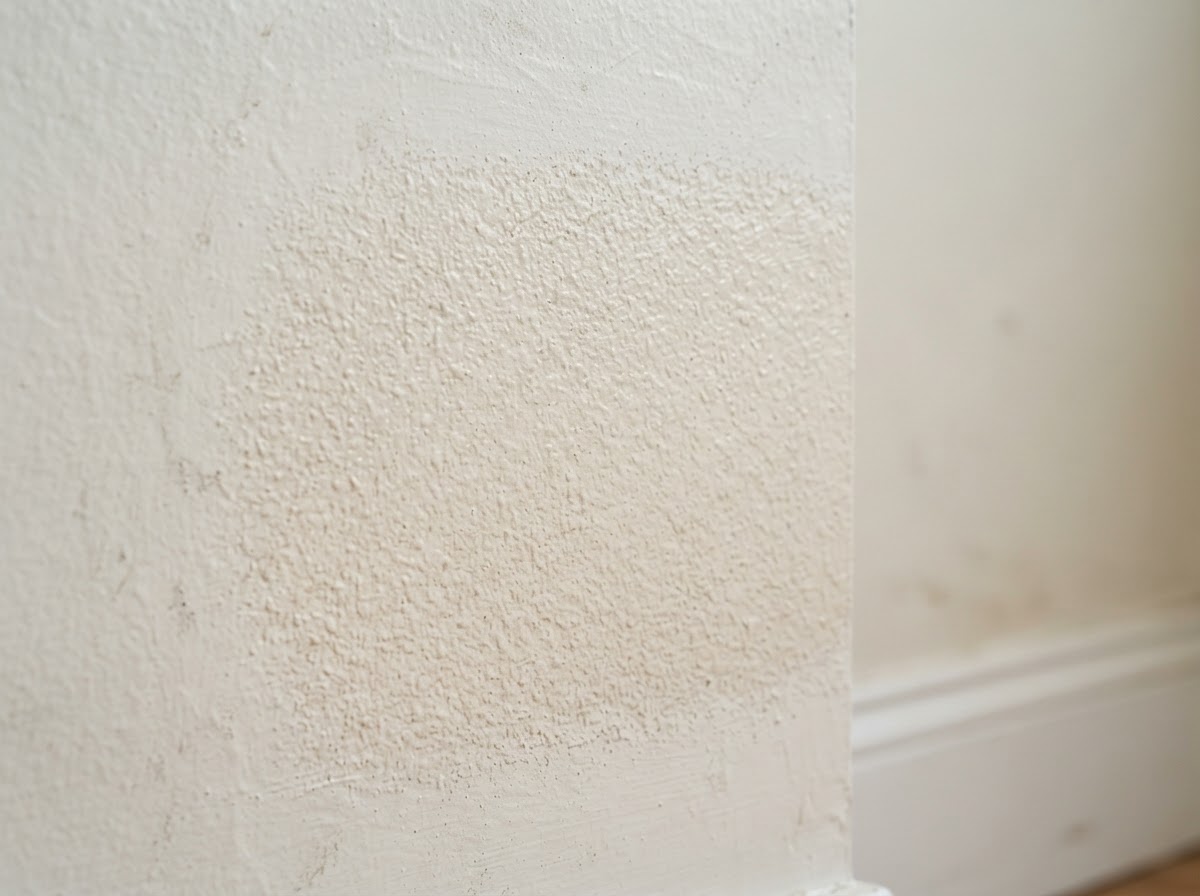
Orange-peel texture matching blends a repaired patch into existing orange-peel walls and ceilings in West Covina homes where the surrounding fine-droplet pattern must continue across the repair.
Work studies the existing droplet size and density, prepares a sufficient blend zone, applies matching texture material with a hopper gun or hand method, and feathers the transition edge.
The repair area closely blends with the surrounding orange-peel field, reducing the visual contrast that makes a flat patch stand out under normal lighting.
Knockdown Texture Matching
Knockdown texture matching blends a repaired patch into existing knockdown walls and ceilings in West Covina homes where the flattened dimensional pattern must continue across the repair.
Work reproduces the existing spray density and knockdown timing, flattens selected droplets with a knife to match the surrounding pattern, and feathers the blend boundary.
The repair area closely matches the surrounding knockdown texture, with the transition feathered so the patch reads as part of the existing surface.
Matching Texture Around Wall and Ceiling Repairs
Texture matching around wall and ceiling repairs blends patches, crack repairs, and replacement sections into the surrounding finish in West Covina properties where the existing texture must continue.
Work completes the underlying repair first, evaluates the surrounding pattern and prior paint buildup, recreates the texture, and inspects the transition under normal room lighting.
The repaired area blends with the surrounding surface, reducing the obvious new-patch appearance under ordinary lighting conditions.
Common Causes of Texture Matching in West Covina Homes
Existing Texture Has Its Own Scale and Density
Every existing texture has a specific droplet size, pattern, and density, and matching requires reproducing those characteristics rather than applying a generic texture over the patch.
Prior Paint Changes the Appearance of Older Texture
Years of paint buildup alter how older texture looks, so a newly matched patch may read slightly different until the surrounding surface is repainted to unify the finish.
Repair Size and Lighting Affect How the Transition Reads
Larger repairs and side lighting make texture transitions more visible, so the blend area and matching precision must account for how the surface will be viewed.
Signs You Need Texture Matching in West Covina
The Patch Has a Different Pattern or Density
When a prior repair used the wrong texture scale or density, the patch stands out as a distinct island against the surrounding field, signaling that proper texture matching is needed.
The Blend Edge Is Abrupt
An abrupt blend edge — where the new texture stops sharply at the patch perimeter — makes the repair obvious under normal lighting and indicates the transition was not feathered.
Side Lighting Makes the Repair Stand Out
When raking or side light reveals a clear repair boundary, the texture match was insufficient, and a broader blend zone with recreated pattern is needed.
Our Texture Matching Process
Complete the Underlying Drywall Repair First
The patch, crack repair, or replacement section is finished and stable before texture matching begins, because matching over an unfinished repair produces a visible, unstable result.
Study the Existing Texture Pattern
The surrounding texture pattern, scale, density, and prior paint buildup are studied so the recreated texture aligns with the existing field rather than clashing with it.
Prepare a Sufficient Blend Area
The blend zone is extended beyond the physical patch when the surrounding texture requires it, so the transition can be feathered rather than ending abruptly at the repair perimeter.
Recreate and Blend the Texture
Matching texture material is applied with a hopper gun or hand method at the correct droplet size and density, knockdown is completed where specified, and the transition is feathered into the surrounding field.
Inspect the Transition Under Normal Lighting
The matched texture is inspected under normal room and side lighting, refined where needed, and left primer-ready so the repair reads as part of the surrounding surface.